









Travel Rules for India
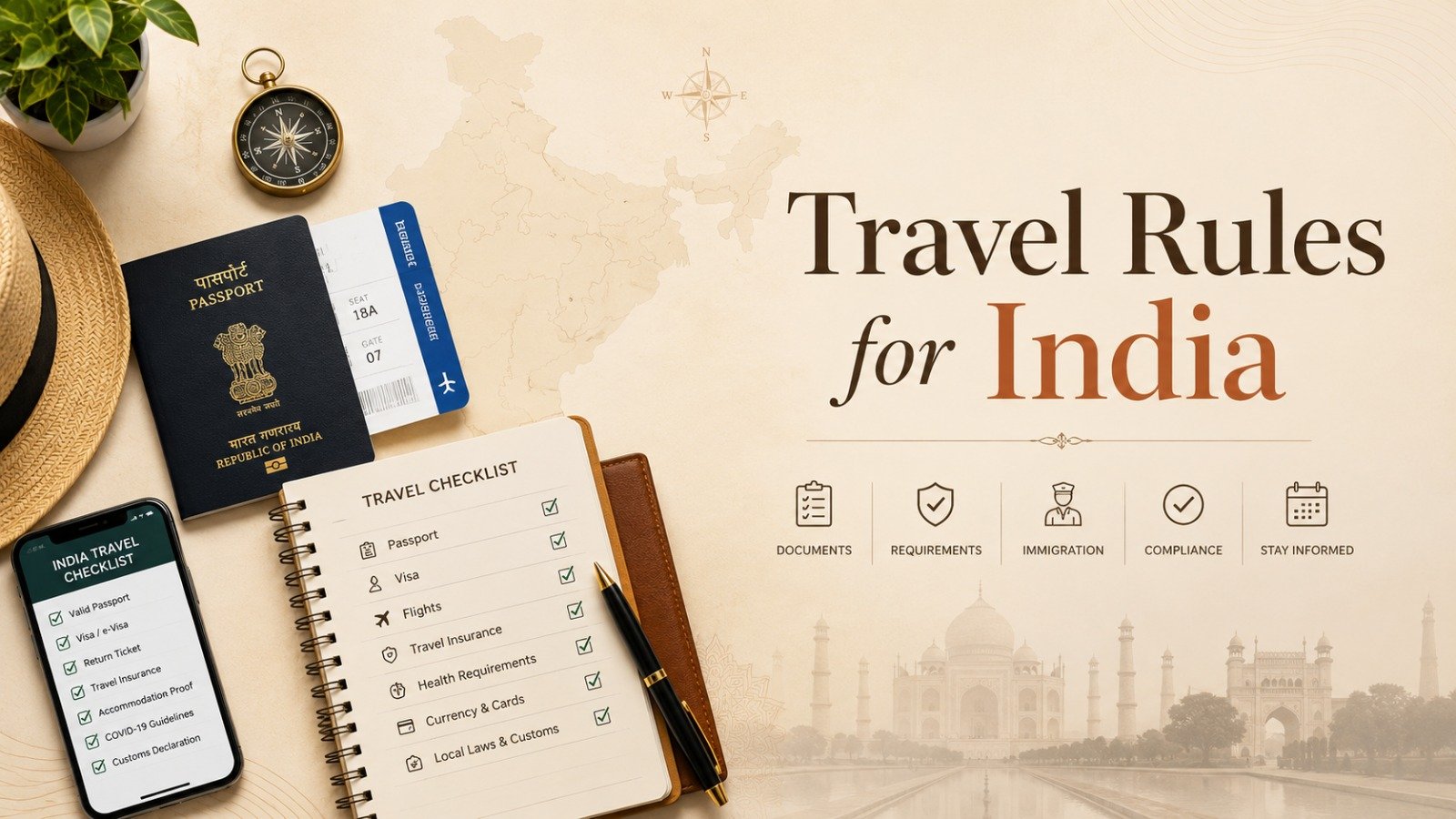
Planning a journey to India is an exciting experience, and understanding the country’s travel requirements will help ensure a smooth and enjoyable visit. This guide provides essential information on entry requirements, visa guidelines, customs regulations, health advice, local etiquette and practical travel tips. While we strive to keep this information current, certain government regulations and travel policies may change over time. We recommend checking the official authorities before your departure for the latest updates.Travel Rules for India are important for international visitors planning a safe and well-prepared journey.
Travel Essentials
Before travelling to India, ensure you have the necessary travel documents and arrangements in place for a smooth arrival and enjoyable stay. Understanding the latest Travel Rules for India can help travellers avoid problems with documentation and entry requirements.
Passport
Carry a passport valid for at least six months from your date of arrival in India, with sufficient blank pages for immigration stamps.
Visa
Most international travellers require a valid Indian Visa or e-Visa before entering the country. Ensure your visa type matches the purpose of your visit.
Travel Documents
Keep your return or onward ticket, hotel confirmations, travel itinerary and emergency contact details readily available during your journey.
Travel Insurance
Comprehensive travel insurance covering medical emergencies, trip delays and baggage loss is strongly recommended for a worry-free holiday.
Entry Requirements
Before travelling to India, ensure you meet the essential entry requirements. The information below provides general guidance for international visitors. As regulations may change, always verify the latest official requirements before departure.
Passport Requirements - Visitors should travel with a passport that is valid for at least six months from the date of arrival in India and contains sufficient blank pages for immigration stamps.
Visa & e-Visa - Most foreign nationals require a valid Indian Visa or e-Visa before arrival. The visa category should match the purpose of travel, such as tourism, business or medical treatment.
Immigration Procedures - Keep your passport, visa, return or onward ticket, hotel confirmation and travel itinerary readily available for inspection by immigration officials on arrival.
Customs Regulations - ndia permits duty-free import of certain personal belongings within prescribed limits. Restricted or prohibited items must comply with applicable customs regulations.
Important Notice - Travel regulations, visa policies and customs requirements may change. Visitors are advised to verify the latest information with the relevant Indian authorities before departure.
Customs & Baggage Regulations
Understanding India’s customs regulations will help you enjoy a hassle-free arrival. The following information provides general guidance for international travellers. These Travel Rules for India are designed to help visitors travel more smoothly and responsibly.
Duty-Free Allowance
Personal belongings within the permitted duty-free limits may be brought into India. Duty-free allowances vary depending on your country of departure and applicable customs regulations.
Currency Declaration
Travellers carrying currency or valuables beyond prescribed limits may be required to make a declaration in accordance with Indian customs regulations.
Valuable Items
Keep invoices for expensive electronics, cameras and jewellery, as customs officials may ask for details during arrival or departure.
Restricted Items
Items such as firearms, narcotics, endangered wildlife products and certain prohibited goods are subject to strict regulations or may not be permitted.
Health & Safety Guidelines
Vaccinations
Consult your healthcare provider regarding recommended vaccinations before travelling.
Drinking Water
Drink bottled or properly filtered water and avoid consuming untreated tap water.
Food Safety
Choose freshly prepared meals from hygienic restaurants and avoid uncooked food from unreliable sources.
Travel Insurance
Medical expenses can be expensive for international visitors. Comprehensive travel insurance is highly recommended.
Local Laws & Cultural Etiquette
The Travel Rules for India also include following local laws, cultural customs and regulations during your stay.
Cultural Etiquette
- Dress respectfully when visiting religious places.
- Remove footwear before entering temples and certain homes.
- Ask permission before photographing people.
- Respect local customs and traditions.
Local Laws
- Carry valid identification.
- Smoking and alcohol regulations vary by state.
- Drone usage requires permission in many locations.
- Respect protected monuments and wildlife laws.
Emergency Contacts
🚓 Police — 112
🚑 Ambulance — 108 / 112
🔥 Fire — 101
🧳 Tourist Helpline — You can also contact your nearest embassy or consulate if they need assistance.
Useful Official Resources
Bureau of Immigration (India)
Provides official information on immigration procedures, entry requirements, visa regulations, and travel guidelines for foreign nationals visiting India.
Ministry of External Affairs
Visitors can access the latest travel advisories, visa policies, embassy and consulate details, and other important information for travelling to India.
Indian e-Visa Portal
Apply for an Indian e-Visa or Regular Visa through the Government of India's official visa portal. Access visa application forms, eligibility criteria, application status, fees, and travel advisories for foreign nationals visiting India
Central Board of Indirect Taxes & Customs (CBIC)
The Central Board of Indirect Taxes & Customs (CBIC) provides official information on customs regulations, duty-free allowances, prohibited and restricted items, and baggage rules for travellers entering or leaving India.
Need Help Planning Your Trip to India?
Checking the latest Travel Rules for India before departure is one of the best ways to prepare for your journey. Our travel experts are here to assist you with visa guidance, customised itineraries, hotel bookings, transportation and unforgettable travel experiences across India.
Travel Rules for India – Important Checks Before Your Journey
Understanding the latest Travel Rules for India before departure can help international visitors avoid unnecessary problems and enjoy a smoother journey. Entry requirements, documentation, local regulations and travel procedures may vary according to nationality, destination and individual circumstances, so travellers should always check the requirements relevant to their own trip.
The Travel Rules for India include more than visa requirements alone. Visitors should also consider passport validity, customs regulations, permitted entry points, local laws, travel documentation and any special permits that may apply when visiting protected or restricted regions. Keeping copies of important documents and checking current requirements before departure can make travelling considerably easier.
International visitors should also remember that Travel Rules for India can change. Government authorities may revise visa procedures, entry regulations, security requirements or destination-specific restrictions, particularly for sensitive border regions and protected areas. Travellers should therefore rely on current official information rather than older advice found online.
Following the Travel Rules for India also means respecting local laws and regulations during your stay. Requirements concerning identification, photography, protected monuments, wildlife areas, religious sites and restricted locations should always be followed carefully.
At Limitless India Vacations, we recommend reviewing the latest Travel Rules for India while finalising your itinerary so that visas, permits, transportation and other practical arrangements can be organised well before departure.
Before You Travel
Travellers should check:
- Passport and visa validity
- Permitted duration of stay
- Entry and exit requirements
- Customs regulations
- Restricted or protected area permits
- Travel insurance documents
- Local laws and destination-specific regulations
- Current official travel information