





10 Essential India Travel Tips for India - First Time Visitors
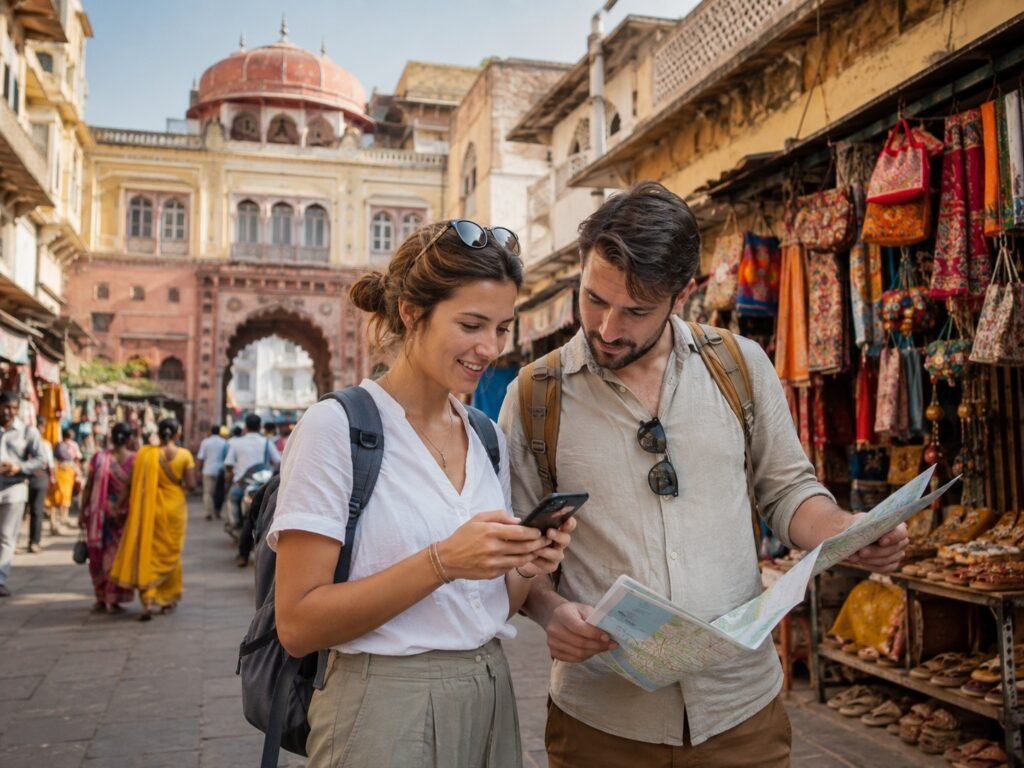
Travel Tips for India can make a huge difference when planning your first journey to India. From visas and local transport to money, safety, culture and everyday travel etiquette, these practical India Travel tips will help you travel more confidently and enjoy your holiday in India.
Essential India Travel Tips for India - First Time Visitors
Travel Tips for India can make a significant difference to your journey, particularly for first-time visitors. From understanding local customs and transportation to managing money, food, clothing and safety, a little preparation helps travellers experience India with greater confidence and comfort.
VISA
All foreign Travellers to India require an entry VISA prior to arrival in India. Government of India has launched VISA on arrival enabled with an ETA scheme ( Presently) for 163 countries. Any traveller, having a passport from any of above countries can apply their VISA online. https://indianvisaonline.gov.in/visa/tvoa.html. One should read VISA rules carefully before applying. Traveller from countries not listed in ETA VISA scheme should contact their Travel Agent OR Local VISA provided OR respective India consulate / embassy on their country.
POLITICS
India is a Parliamentary Democracy modeled on the British Westminster system. The President, indirectly elected, is the Head of State, but his or her position, while not entirely ceremonial, has limited powers. In practice, the Prime Minister is seen to wield the most authority, and runs the government with her/his cabinet. The Parliament is bi-cameral. The Lok Sabha, the lower house, is directly elected by adult franchise, while the Rajya Sabha, or the upper house, is indirectly elected.
Culture
India’s rich and multi-layered cultures are dominated by religious and spiritual themes. Indians value their family system a lot. Typically, an Indian’s family encompasses what would be called the extended family in the West. It is routine for Indians to live as part of the paternal family unit throughout their lives – i.e. sons live together with their parents all their lives, and daughters live with their parents till they get married. The relationship is mutually self-supporting.
Time zone
Indian Standard Time (IST) is 5 hours and 30 minutes ahead of Greenwich Mean Time (GMT+5.5). Daylight saving is not observed.
Climate
India experiences at least three seasons a year, Summer, Rainy Season (or “Monsoon”) and Winter, though in the tropical South calling the 25°C (77°F) weather “Winter” would be stretching the concept. The North experiences some extremes of heat in Summer and cold in Winter, but except in the Himalayan regions, snow is almost unheard of. November to January is the winter season and April and May are the hot months when everyone eagerly awaits the rains. There is also a brief spring in February and March, especially in North India.
PHOTOGRAPHY:
Most types of film material, colour slide negatives and video tapes are readily available in all major cities, as are fast, reliable processing services. When photographing always ask people their permission first. Beware using flash photography that may disturb animals and birds.
CURRENCY
The unit of currency in India is the Rupee where Rs. 1 is made up of 100 paisa. Bank notes are in denomination of 5, 10, 20, 50, 100, and 500.
There are no restrictions on the amount of foreign currency of travellers’ cheques a tourist may bring into India, provided a declaration in the Currency Declaration From is made with Indian customs. Cash, bank notes and travellers’ cheques up to US$ 10,000 or equivalent, need not be declared at the time of entry.
DRINKING WATER & MEALS
Beef is not served in many parts of India and pork is also not easily available. Eat non – vegetarian food only in good restaurants as the meat in cheaper and smaller places can be of dubious quality. Good quality vegetarian food is easily available throughout the country. Curd or yoghurt is served with most meals as it is a natural aid digestion and helps temper the spicy food.
CREDIT CARDS
Visa, American Express, MasterCard and Diners Club are honoured by most restaurants, store, hotels and other points of sale and service. Proof of identity may be requested in some instances and it is therefore useful to carry a passport r some form of photo identification at all times. Please note that a fee can often be changes for credit cards.
Following these 10 India Travel Tips will help you avoid common difficulties and make your journey across the country more comfortable and enjoyable.
These Travel Tips for India are designed to help international visitors understand practical aspects of travelling through the country while enjoying its remarkable cultural diversity.
These 10 India travel tips will help first-time visitors plan a smoother, safer and more enjoyable journey across India. From visas and money to transport, culture and local customs, these practical tips cover the essentials you should know before travelling.
Following these Travel Tips for India will help you plan more confidently and enjoy a smoother, safer and more rewarding journey.
Before travelling, you may also read our India Travel Guide for practical information on visas, money, transport, safety, climate and local customs.
For official destination information and travel guidance, visitors can also refer to Incredible India, the Government of India’s tourism portal
10 Travel Tips for India – Extra Advice for a Smoother Journey
These 10 Travel Tips for India are designed to help first-time and returning visitors travel more comfortably, confidently and responsibly. India is a vast country, and practical preparation can make a major difference to your overall experience, especially when travelling between regions with very different climates, cultures and transport conditions.
One of the most important 10 Travel Tips for India is to avoid overloading your itinerary. Allow enough time between destinations, build in flexibility for road and rail journeys, and leave space to enjoy local experiences rather than rushing from one attraction to another.
Another useful part of these 10 Travel Tips for India is preparing for local conditions. Carry suitable clothing, keep digital and printed copies of important documents, use reliable transport, stay hydrated and remain aware of local customs when visiting temples, religious sites and traditional communities.
The 10 Travel Tips for India are also useful for planning day-to-day expenses. Keep some Indian Rupees available for smaller purchases, check card acceptance in advance, and use established banks or ATMs whenever possible.
For food and health, these 10 Travel Tips for India encourage travellers to choose freshly prepared meals, drink safe water and introduce unfamiliar or spicy foods gradually if needed.
Finally, the best way to use these 10 Travel Tips for India is to treat them as practical guidance rather than rigid rules. Stay informed, remain flexible and take time to enjoy the people, landscapes, food and traditions that make travelling through India so rewarding.
Travellers interested in combining India’s cultural highlights with wildlife experiences can explore our Tiger Tours India itinerary, which includes the Golden Triangle along with safari experiences in Ranthambore National Park.